
Frequently Asked Questions
Curious about bioresonance or wondering what to expect from your appointment? Here you’ll find answers to some of the most common questions about Dr Sabeen’s approach, bioresonance and your wellbeing programme.

Understanding Bioresonance & Your Wellbeing
Explore the approach and the principles behind your wellbeing journey.
Understanding Bioresonance & Your Wellbeing
Explore the approach and the principles behind your wellbeing journey.
What is bioresonance?
Bioresonance is a gentle, non-invasive complementary wellbeing approach based on the concept of frequency and resonance. Dr Sabeen uses Bioresonance according to Paul Schmidt, with professional Rayonex equipment, as one part of a broader, whole-person consultation.
Findings are considered alongside your history, current concerns, nutrition and lifestyle to identify areas for further discussion and help shape a personalised wellbeing plan. Dr Sabeen also draws on her medical experience and training in Functional and Lifestyle Medicine.
Bioresonance is not a conventional medical diagnostic test or a substitute for medical care. Read more about the Rayonex approach.
What is Functional Medicine?
Functional Medicine is a whole-person approach that considers the many factors that may influence health and wellbeing, rather than looking at one symptom in isolation. These can include nutrition, digestive health, sleep, stress, movement, hormones, medication and lifestyle.
It is a model that focuses on identifying and addressing the root causes of disease rather than just treating symptoms.
Dr Sabeen draws on her medical experience and Functional and Lifestyle Medicine training to explore the bigger picture and help you prioritise practical, manageable steps. In this clinic, this is part of a complementary wellbeing service rather than a GP consultation.
Learn more: What is Functional Medicine? — Institute for Functional Medicine
Why does Dr Sabeen look at the whole person?
Wellbeing is shaped by many interconnected influences throughout life. The barrel-and-tap analogy illustrates two useful questions: What may be filling the barrel? and What might help open the tap?
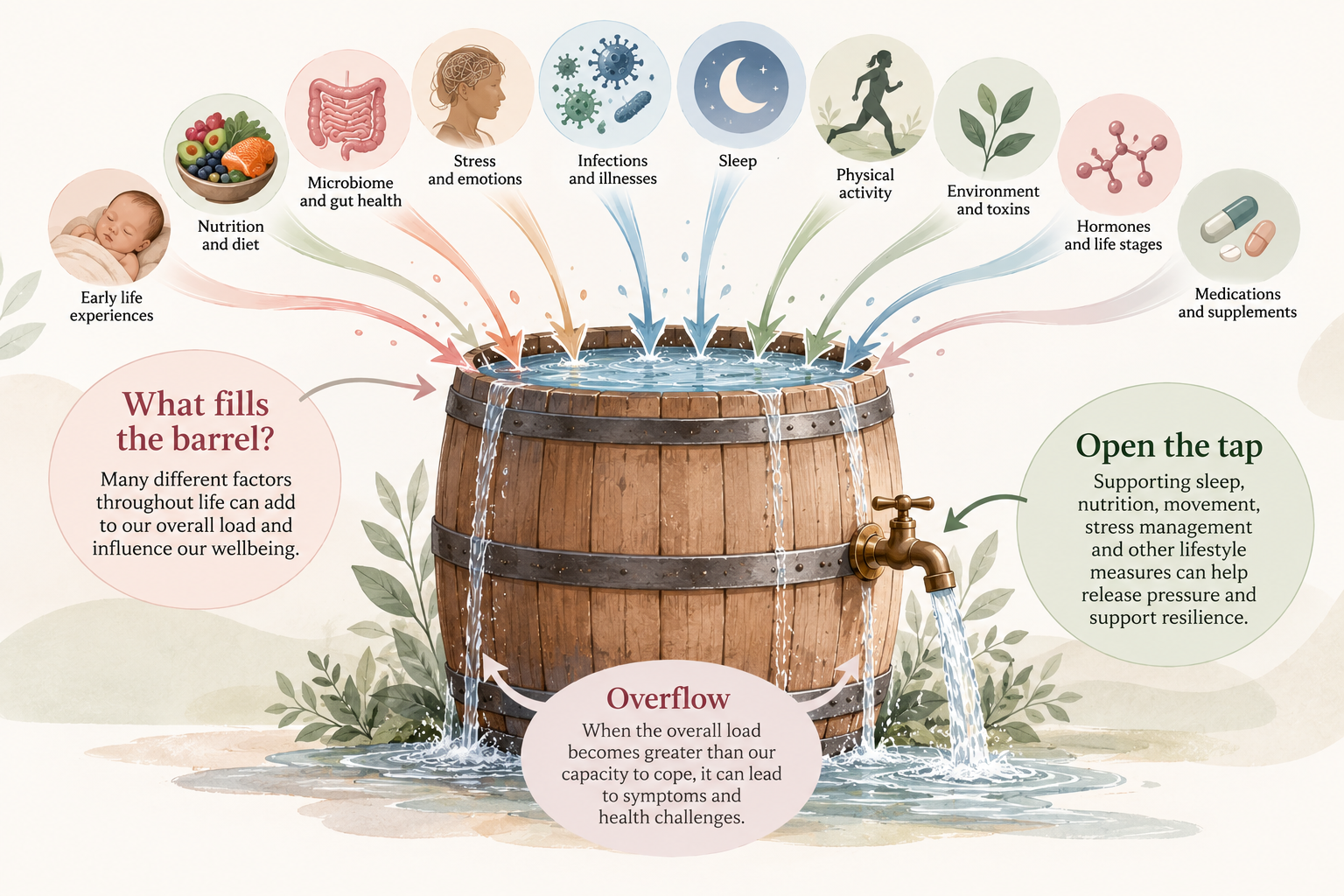
The aim is to consider modifiable pressures while supporting everyday foundations such as nutrition, sleep, movement and stress management. The barrel is an analogy, not a medical explanation of disease.
What is frequency and resonance?
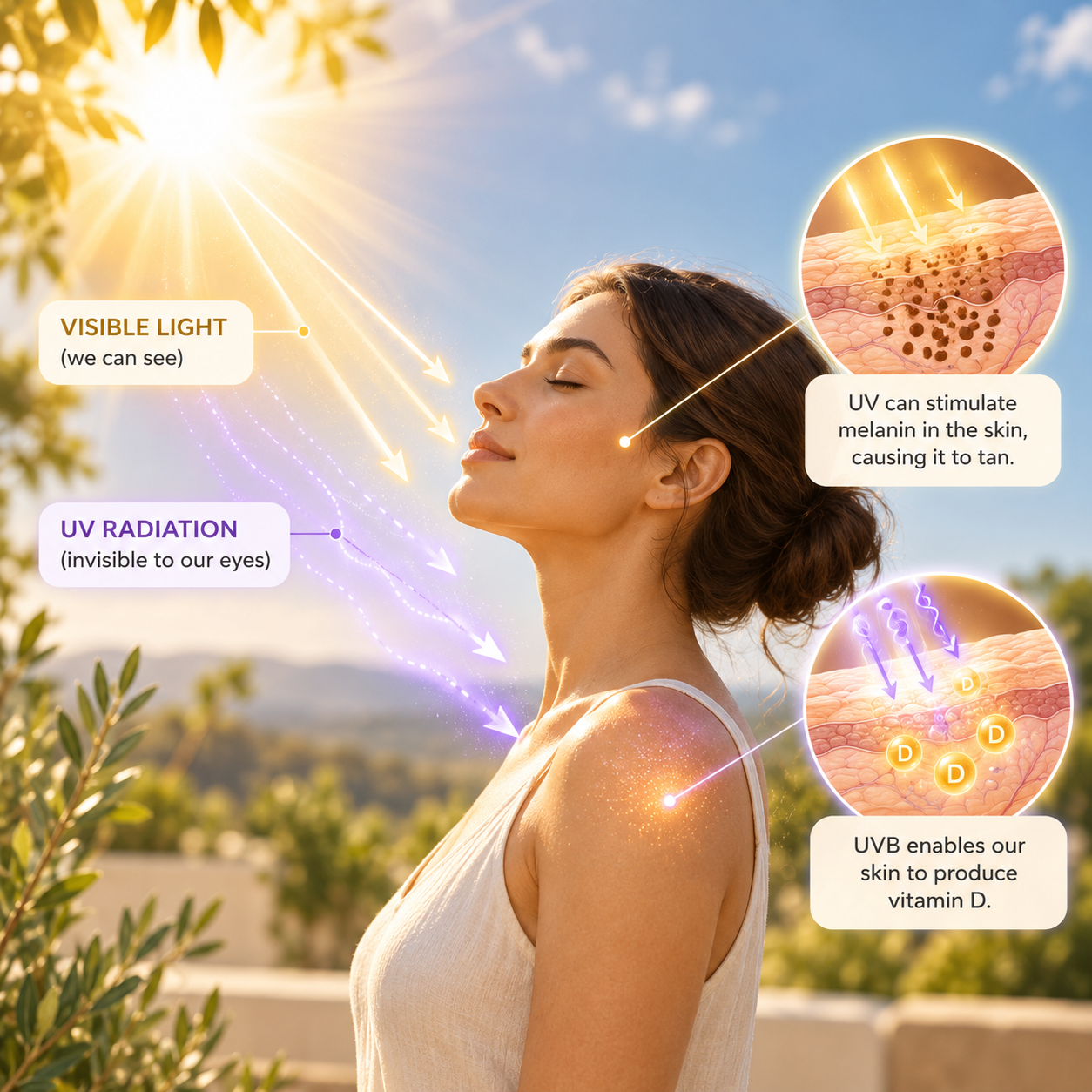
Sunlight and frequency
Sunlight includes frequencies we can see and others we cannot. For example, ultraviolet light is invisible to our eyes but can interact with the skin. This is a familiar illustration of the concept of frequency.
Tuning forks and resonance
When two tuning forks have matching natural frequencies, striking one can cause the other to vibrate through resonance. A fork with a different natural frequency will not respond in the same way.
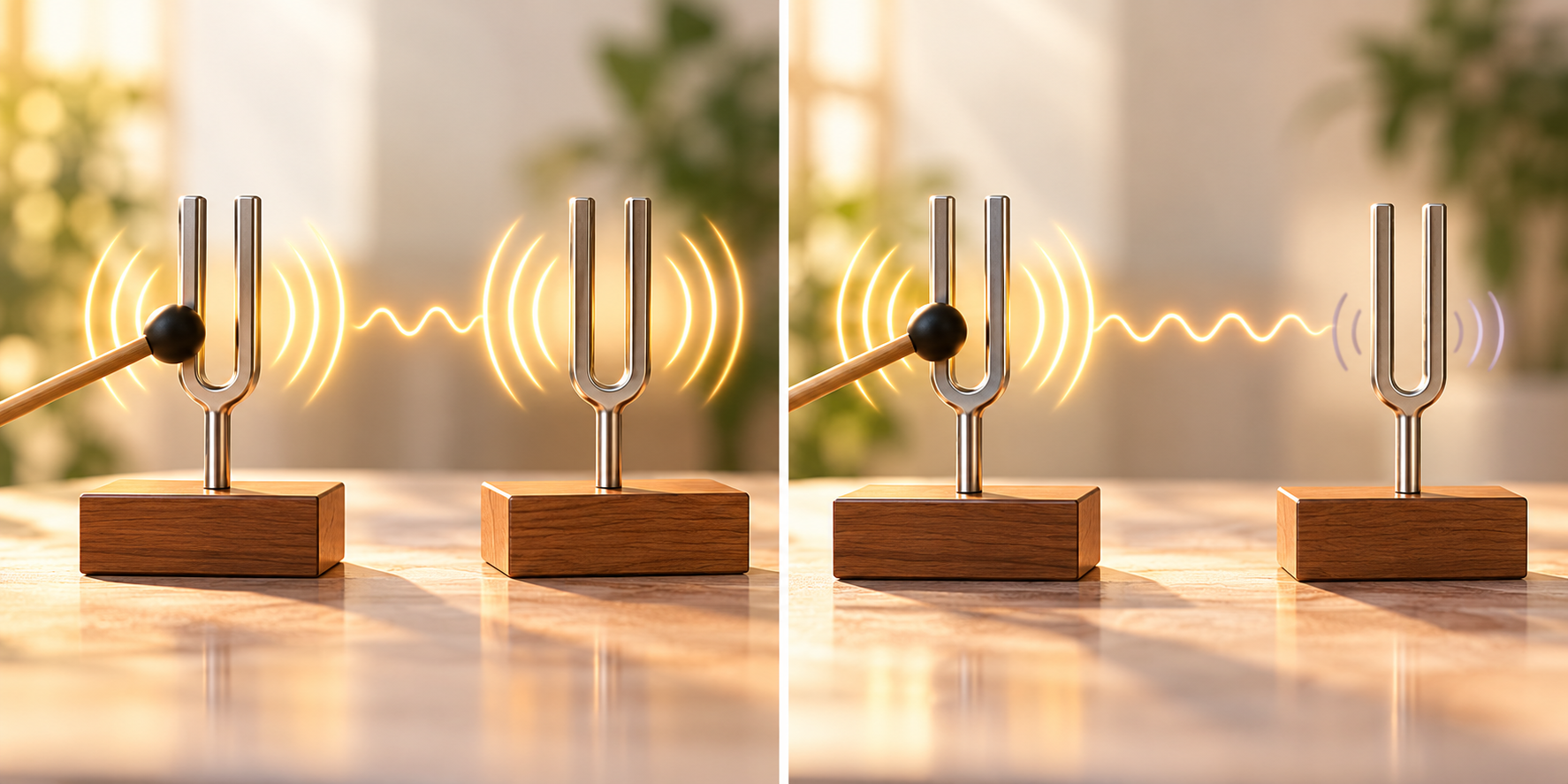
Within the bioresonance model, this concept of resonance is used to help explain why different frequencies may produce different responses in different individuals. The approach is based on the idea that the frequencies relevant to one person may not necessarily be the same as those relevant to another, which is why the assessment and subsequent harmonisations are individualised.
These examples help visualise the ideas of frequency and resonance; they do not demonstrate that bioresonance works through the same physical or biological mechanisms.
Does bioresonance involve radiation?
The RayoScan assessment does not use X-rays or ionising radiation. It is designed to be non-invasive. If you have questions about your particular equipment or circumstances, please ask before your appointment.
Does bioresonance replace seeing my GP?
No. Although Dr Sabeen is a medically qualified doctor with extensive GP experience, she is not acting as your GP within this service. Bioresonance is complementary and does not replace medical assessment, investigation, diagnosis or treatment.
Please continue your usual medical care and prescribed medication. Seek medical advice for new, persistent or concerning symptoms.
Your Appointments
What to expect, how to prepare and how your sessions are planned.
Your Appointments
What to expect, how to prepare and how your sessions are planned.
What happens during a bioresonance scan assessment?
You sit comfortably while Dr Sabeen uses the Rayonex system, including RayoScan technology, as part of the complementary assessment. Small adhesive electrode pads may be positioned on the torso or at the wrists and ankles, depending on the setup being used.
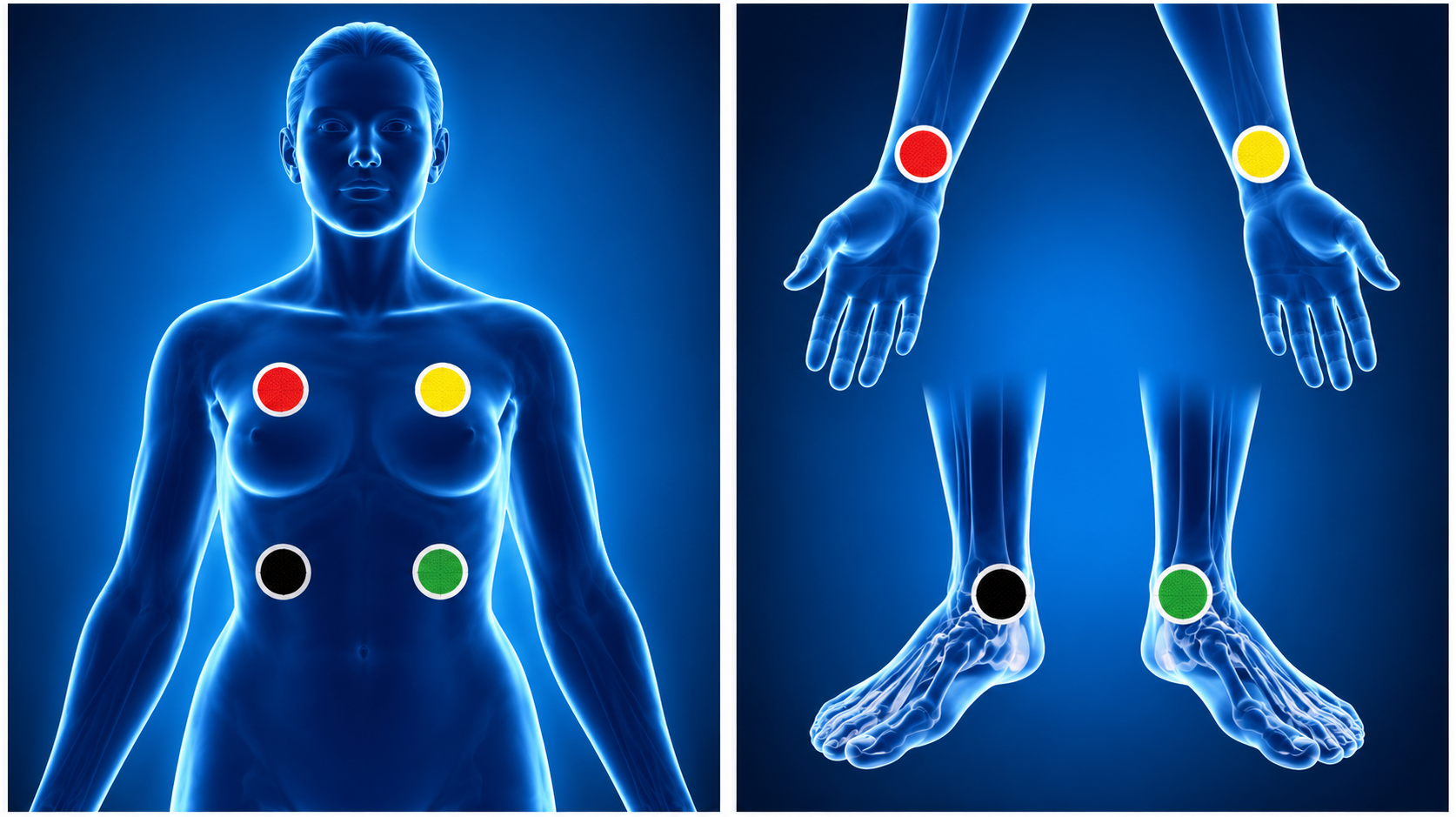
The procedure is non-invasive and is not normally something you would feel. Findings are considered alongside your history and lifestyle rather than treated as a medical diagnosis.
What happens at your first appointment?
Your first appointment usually lasts approximately 2–2½ hours. Dr Sabeen starts with an unhurried discussion of your health history, concerns, nutrition, sleep, stress, activity, medications and supplements.
This is followed by the bioresonance assessment. Together, the information helps inform an individualised wellbeing plan, including any suggested future assessments or harmonisation sessions and practical nutrition or lifestyle priorities. The aim is a clear starting point, not an overwhelming list of changes.
How many sessions will I need?
Everyone is different, and we take a personalised approach. Following your initial consultation and assessment, a wellbeing programme may be recommended, including a suggested number of harmonisation sessions alongside practical lifestyle changes.
Ideally, harmonisation sessions would take place weekly or every one to two weeks, with programmes typically lasting six to ten weeks, or longer depending on individual needs and ongoing review. These are recommendations rather than a guarantee of results.
Understanding the Layers
Like an onion, our wellbeing can have many layers. The outer layers represent the symptoms or concerns we notice first, while deeper layers symbolise contributing factors that may be less immediately apparent.

As we work through different aspects of your wellbeing, we may gain a fuller understanding of the factors influencing how you feel. This is why we take a gradual approach rather than trying to explore everything in one session.
Your body sets the pace. We allow time to reflect, reassess and adjust your personalised programme as we go.
How should I prepare, and what should I bring to my appointment?
Please bring an up-to-date list of your medications and supplements, including doses.
If a urine sample is needed, you will be informed beforehand and given instructions on how to collect and bring it.
You may be asked to remove jewellery and switch off electronic devices during the assessment.